
Campomarino, Italy
Learn what U.S. buyers should understand before exploring a waterfront residence in Campomarino, Italy, including the general purchase process, residence options, buyer questions, and next steps before moving forward.
This guide is designed to help serious buyers approach Italian coastal property with more clarity before they travel, reserve a residence, or begin conversations about ownership.
U.S.-based buyer guidance is provided through BG Realty Services of Florida, LLC.

Start with the residence details, then consider the documents, costs and professional advice needed for your purchase. Buying from overseas involves decisions beyond choosing a floor plan.
Use this guide to prepare informed questions.

Porticciolo Waterfront Condos presents Residence Il Porticciolo in Campomarino, Italy. BG Realty Services of Florida, LLC provides U.S. representation. Immobiliare Porto Turistico Srl is the Italian project entity identified in the website’s documentation.
Confirm the seller for the particular residence, each representative’s role and any services included. Seek independent Italian legal, tax and technical advice suited to your circumstances.
This guide is general information, not individual legal, tax or immigration advice.
Campomarino is in Molise on Italy’s Adriatic coast. Review the lifestyle and location, then assess the residence’s surroundings, services and practical suitability during the months you intend to stay.
Property ownership does not itself grant Italian residency, citizenship or an indefinite right to stay.
Review residency considerations and verify your plans with the relevant Italian consulate or a qualified adviser.

Before travelling, request the latest floor plans, written specifications, photographs and pricing for the residences you are considering.
Confirm current availability directly; published material is a starting point.
Compare the quoted price with the written inclusions and expected purchase costs. Furnished and unfurnished options can involve different furniture, delivery and setup decisions.

Direct residence inquiries to the U.S. representative and confirm the scope of any assistance.
An Italian notary is an impartial public official involved in the property transfer. An independent lawyer can advise on your interests; tax and technical professionals address their own areas of expertise.

BG Realty’s representation should not be treated as Italian legal, tax, immigration or notarial advice.

Begin by defining your intended use, budget and timing.
Consider seasonal visits, family stays or longer-term plans. Note your space requirements, furnishing preferences and the months you expect to use the home.
Ask what information can be shared remotely and what needs an in-person visit or professional inspection.

Request a dated availability and price update, current floor plans and written specifications. Confirm the details for the particular residence rather than relying on general project imagery.
If you need financing, discuss eligibility and terms with a lender early. Mortgage options for Americans depend on lender criteria and individual circumstances; approval is not assured.
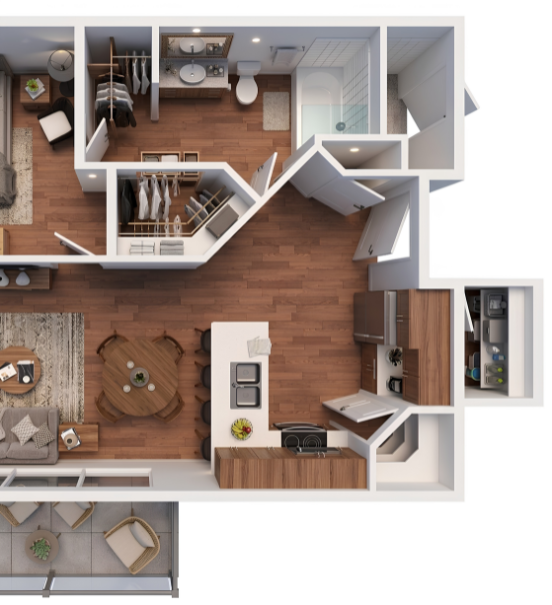
Shortlist the residence that fits your intended use, then verify its condition, layout and written inclusions.
During a visit, compare the property with the plan, check access and surroundings, and identify questions for an independent technical professional. Confirm current pricing, availability and proposed timing in writing.
Clarify what would create a commitment before signing a reservation, proposal or other document, or transferring funds.

The stages below are a planning framework, not a guaranteed sequence. The property, proposed agreement, financing and individual circumstances affect the steps required.

A codice fiscale is Italy’s tax identification code, used in property transactions and other dealings. Review the codice fiscale overview, then confirm your requirements with the notary or Italian Revenue Agency.
Ask which identity, tax and property documents are required and who will prepare them. Confirm any translation, signing or representation arrangements with the professionals responsible.

Independent review matters even when residence information and prices are clearly presented.
Ask your notary, independent legal adviser and technical professional which title, cadastral, planning, building and condominium documents they need to review for this residence.
Budget for applicable purchase taxes, registration costs, professional fees and ongoing ownership expenses. Transaction costs depend on the seller, property and buyer’s circumstances; request an itemized estimate from your advisers.
A preliminary agreement, often called a compromesso, generally commits both parties to enter the final sale on agreed terms. It does not itself transfer ownership.
Have the proposed terms reviewed before signing. Confirm the property description, conditions, deadlines, deposit terms and consequences if either party does not proceed.
Ask the notary about the required form, registration and any applicable protections.
Confirm the deed, payment arrangements, required documents and handover with the notary and your advisers. Understand what you are signing and how translation will be handled.
If you cannot attend, ask the notary whether a power of attorney is suitable and what formalities are required. Do not assume a fully remote purchase is available for your transaction.
Confirm who will handle these arrangements, the scope of any service and its cost. Property management, cleaning and other support should not be assumed to be included.
Use the information available before you travel.
Ask for current plans, specifications and residence details remotely. Identify which questions need a property visit, document review or specialist advice before you commit.
Keep a written checklist of unanswered questions.
Confirm each professional’s role, fees and agreed scope. Arrange independent advice rather than assuming representation includes legal, tax, financing or immigration services.
Ask how documents can be reviewed from the U.S. and which decisions require professional involvement. Confirm arrangements and costs before relying on any service.
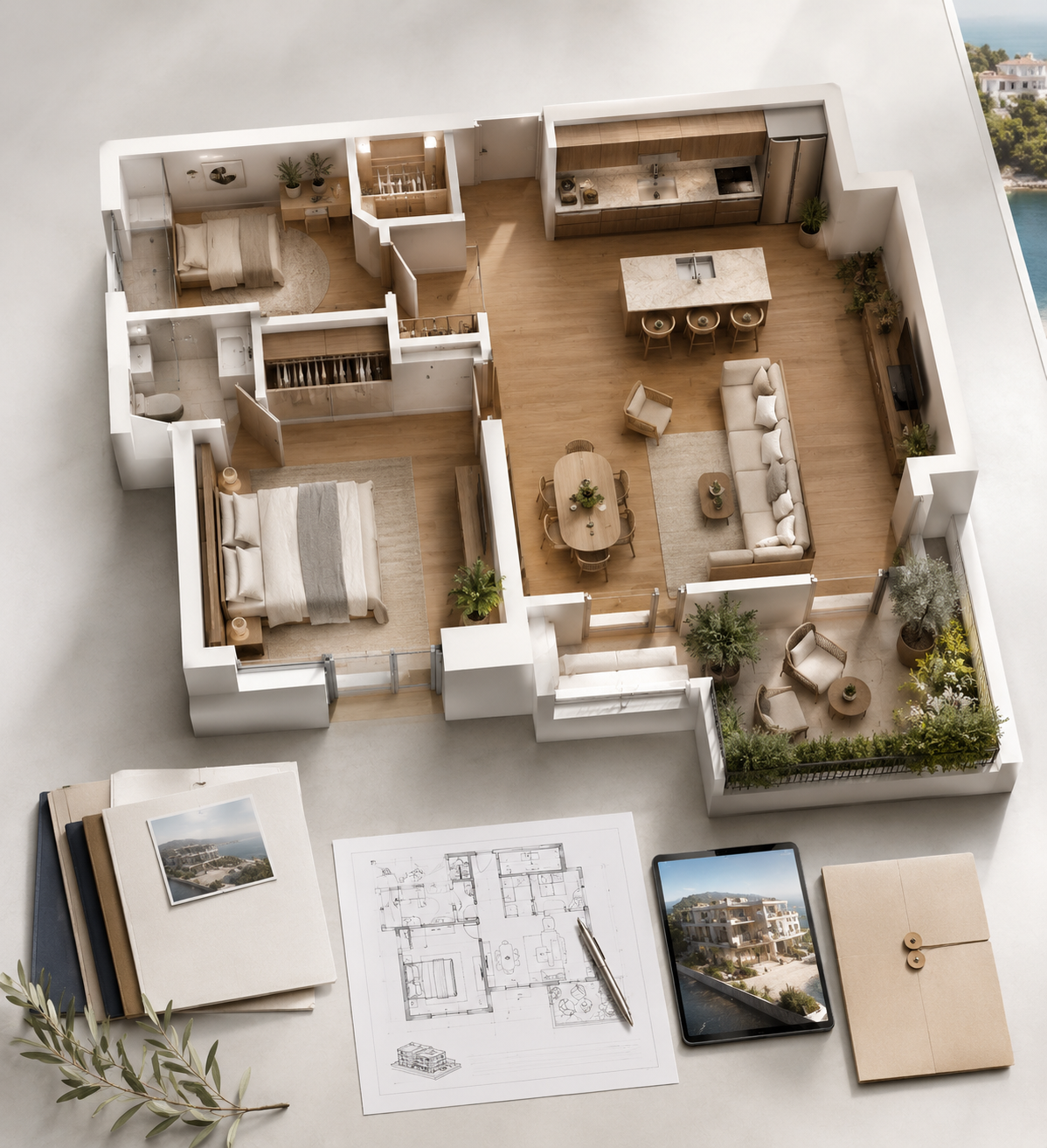
Take time to resolve material questions before committing.
Keep your intended use and overall budget in view.
Review the residence, proposed terms and ownership costs with the right professionals. If retirement or extended stays are part of your plans, verify immigration requirements separately from the purchase.
Read about common purchasing mistakes as a starting checklist, then ask your advisers how the issues apply to your circumstances.

Request current residence details and share your intended use, budget and timing with the U.S. representative.
Ask which options are currently being offered and what information can be supplied. Confirm the next steps, each party’s responsibilities and the professional advice you will arrange independently.